
Most of us have made half-joking, half-anxiety filled predictions about this country devolving into dystopia over the past year. And while I write about horror and dystopia so I spend a lot of time steeped in shows that are pretty bleak, more people are noticing the growing popularity of dystopian shows and films.
You don’t have to be a genre obsessive to notice it. Turn on the TV, scroll through upcoming releases, glance at what’s being adapted again, and there it is: worlds tightening, rules hardening, bodies regulated, choices narrowed. And at the center of many of these stories, once again, are women.
This isn’t new. Whenever there is a cultural push to romanticize the past by using coded language like “going back,” or “simpler times” dystopian stories also increase. We’ve seen this before.
In the late 1970s and 1980s, during the Cold War and the rise of “family values” politics, science fiction and dystopian stories exploded and women suddenly became central to resisting vast, authoritarian systems.
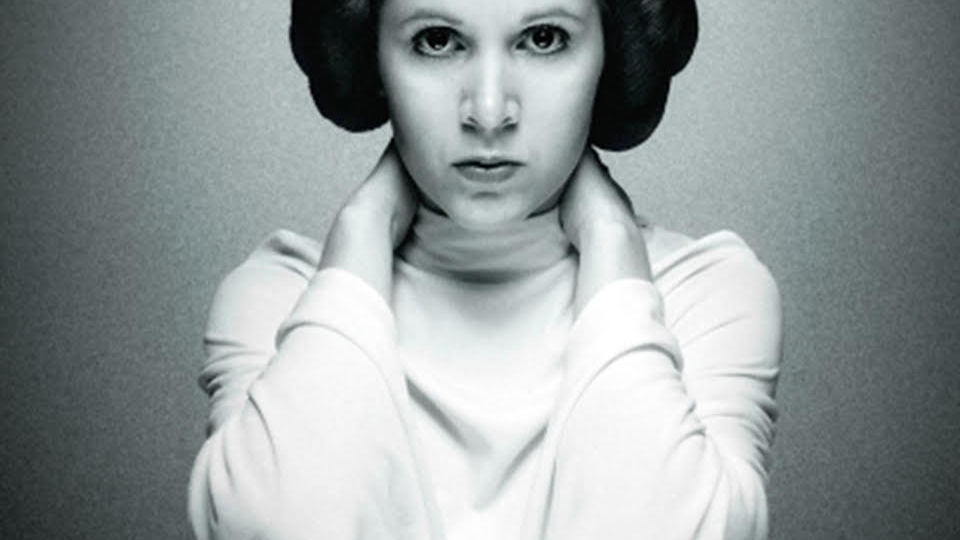
Think of Princess Leia, openly defying an empire at a time when obedience and militarized masculinity were being sold as safety, or Ellen Ripley, surviving not just a monster but a corporate system that treats human bodies as expendable. These characters weren’t accidents. They were cultural responses to anxiety about control.
The Power Of Women’s Voices
And within those stories, women become the center of the narrative. Strong female characters are portrayed as villains, disruptors, resisters of the “natural order” of things. When political and cultural systems are threatened, the people in power don’t just police behavior. They use media and story to reshape the cultural narrative to fit their agendas.
Women’s stories become dangerous in these moments because they reveal what control actually looks like from the inside. They show the cost of order. They make visible the trade-offs hidden beneath comforting language about safety, tradition, and stability.
The same pattern repeated in the early 2000s, when fear was used to justify surveillance, endless war, and the erosion of civil liberties.
Dystopian television responded by placing women inside these compromised systems and letting them refuse compliance. In the reimagined Battlestar Galactica, Starbuck is disruptive, volatile, and morally resistant in a culture obsessed with command and sacrifice. Her presence exposes the cost of authoritarian logic long before it collapses.
A woman navigating a restricted world, whether that world is a dystopian state, a rigid hierarchy, or a “simpler” social order, exposes contradictions that threaten a power collective whose goal is subjugation.
Dystopia has always been where these tensions surface first because a dystopian setting, whether it’s The Walking Dead or Severance, exaggerates what already exists. It takes the pressures people feel like surveillance, loss of autonomy, or rigidly enforced gender roles, and turns them into systems you can see, name, and fear.

That’s why dystopian stories return during periods of rapid cultural change, and why they so often are based on women’s bodies, labor, and choices. Control doesn’t start with force. It starts with stories about what’s normal, aspirational, necessary, and inevitable.
Each wave looks different on the surface, but the rhythm is the same. Backlash produces nostalgia. Nostalgia demands order. Order requires discipline. And women’s stories, especially stories about autonomy, refusal, and rage, become something that needs to be contained.
Tradwives Vs. Female Rage
Right now, we’re living through another cultural shift driven by the politicization of nostalgia. The media is encouraged to create and reboot shows and stories that carry the message that there was once a cleaner, safer, more orderly way to live, and returning to that would create harmony and make life simple and easy.
Tradwife content on social media as well as the rebooting of shows and films that portray a family hierarchy where women’s choices and bodies are controlled by men are trying to normalize the loss of women’s freedom. And not for the first time.
Today’s dystopian stories are less interested in metaphor than their predecessors. Control over women’s bodies, labor, and futures isn’t subtext, it’s the plot. That’s why upcoming show like The Testaments feel less like speculation and more like continuation. They aren’t imagining new fears. They’re tracing the long-term consequences of ones we already recognize.
Dystopian stories are responding the same way they always have: by centering strong female characters who are politicians, cultural icons, rebels, leaders, fighters, and disruptors.

As strong female characters disappear from media under the influence of those who want to shape the cultural narrative these dystopian stories go from marginalized genre fare to the frontline of cultural resistance.
Keeping The Resistance Going
Even though the current political climate feels darker, more intense, and more pervasive than other eras of history because of our constant immersion in media, this isn’t the first time women’s stories have been critically important in fighting oppression.
From Cold War space operas to post-9/11 military dystopias to today’s stories about reproductive control and enforced domesticity, women move to the center of speculative fiction whenever power feels the need to discipline them. These stories don’t appear because progress is guaranteed. They appear because resistance is necessary.
Again and again, when power tries to narrow the future by romanticizing the past, women’s stories surface to show what that narrowing actually costs. These narratives don’t promise rescue or resolution.
They make visible the systems that rely on silence, obedience, and forgetting. That’s why women’s stories of resistance matter now. They are embedding stories of women who are disruptors and leaders into the cultural narratives so that women have role models to fight back against narratives that would erase their voices and their autonomy.